
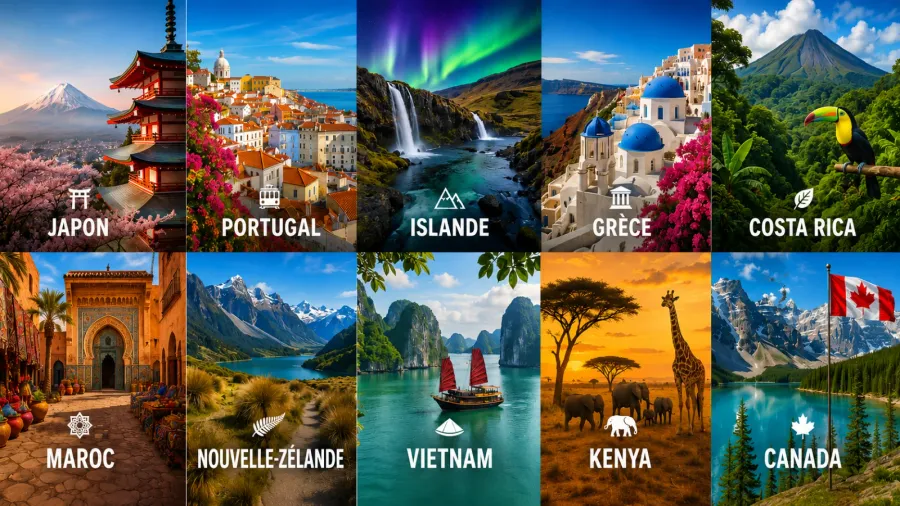
Travel trends continue to shift after the global recovery and despite geopolitical tensions. Certain destinations stand out in 2026 due to improved infrastructure, unique experiences and growing popularity. This guide highlights ten places drawing the most interest, offering practical tips—best times to go, estimated budgets, entry requirements and advice to make each trip smoother.
1. Japan, tradition and modernity
Japan remains a top pick for 2026, combining millennia-old culture with cutting-edge urban life. Tokyo’s neighborhoods contrast with Kyoto’s temples, while the Shinkansen network shortens travel times between regions. Flights from Europe typically take 11–13 hours; daily budgets range from €80–€200 depending on style. Check the Japan National Tourism Organization for up-to-date visa and travel information.
Practical tips
Visit in March–May or October to catch cherry blossoms or fall colors; reserve Japan Rail passes in advance and plan high-speed segments carefully.
Top Things Not to Miss in Japan
- Ryokans and onsens: Staying in a ryokan is one of the best ways to experience traditional Japanese hospitality, with tatami rooms, futons, and kaiseki meals. Onsens, natural hot springs often located in scenic mountain areas, are deeply rooted in Japanese culture.
- Kyoto and its historic temples: Kyoto is home to a large part of Japan’s cultural heritage, including temples, shrines, and zen gardens. Districts such as Gion still preserve the atmosphere of traditional Japan.
- Efficient transportation system: Japan’s rail network is famous for its punctuality and speed. Riding the Shinkansen is an experience in itself, combining comfort, silence, and efficiency.
- Regional food culture: Every region has its own specialties, from ramen and sushi to okonomiyaki and wagyu beef. Local markets and small restaurants often provide the most authentic culinary experiences.
2. Portugal, beaches, cities and wine
Portugal continues to attract travelers seeking strong value: Lisbon, Porto and the Algarve remain highlights. Short flights from Europe (1.5–2.5 hours) and daily costs around €60–€140 make it accessible. Sustainable tourism initiatives and cultural festivals are on the rise; for itineraries and events see Visit Portugal.
Practical tips
Avoid the peak of summer in the Algarve for better prices; consider May–June or September–October for milder weather and fewer crowds.
Top Things Not to Miss in Portugal
- Lisbon’s trams and historic districts: Lisbon’s steep streets, yellow trams, and districts like Alfama create a distinctive atmosphere. The city blends old architecture, fado music, and modern urban life.
- Porto and wine cellars: Porto is famous for its wine cellars along the Douro River. Wine tastings provide insight into the history and variety of Porto wines.
- The beaches of the Algarve: The Algarve features spectacular cliffs, sea caves, and some of Europe’s most beautiful beaches. Coastal towns maintain a relaxed and authentic atmosphere.
- Seafood cuisine: Portugal is known for its seafood, especially codfish and grilled sardines. Pastries such as pastéis de nata are also essential local specialties.
3. Iceland, dramatic landscapes and active travel
Iceland is a favorite for dramatic scenery: geothermal sites, glaciers and the northern lights. Typical trips last 5–10 days covering the Golden Circle and southern coast. Daily budgets tend to be €120–€250, with transport and car rental as major components. Visitor guidance and safety tips available at Visit Iceland.
Practical tips
Rent an appropriate vehicle for rural roads and monitor weather forecasts closely; some highland routes require 4x4 vehicles.
Top Things Not to Miss in Iceland
- Northern lights: From autumn to spring, Iceland is one of the best places in the world to see the northern lights. Remote areas away from city lights provide the best viewing conditions.
- Volcanic landscapes: Iceland is filled with volcanoes, lava fields, geysers, and spectacular waterfalls. Travelers can experience dramatically different landscapes within only a few hours of driving.
- Geothermal baths: Natural hot springs and geothermal spas are part of Icelandic daily life. The Blue Lagoon is the most famous, but many more secluded baths can be found across the country.
- The Ring Road: Driving around Iceland on the Ring Road is a popular adventure. The route passes glaciers, fjords, black sand beaches, and isolated villages.
4. Greece, islands, history and cuisine
Greece draws visitors with its islands and archaeological heritage. Santorini and Mykonos remain popular, while less-visited Cyclades offer quieter stays. Best season runs April–October; expect daily costs of €70–€180 depending on island and lodging. Ferry schedules and island routes are detailed at Visit Greece.
Practical tips
Book ferries and accommodations well before July–August; exploring secondary islands can yield better value and a calmer experience.
Top Things Not to Miss in Greece
- The Cyclades islands: Santorini, Mykonos, and Naxos offer iconic scenery with white houses and turquoise waters. Each island has its own personality and pace.
- Ancient historical sites: Greece is home to some of the world’s most important ancient ruins, including the Acropolis in Athens and Delphi. History is present throughout the country.
- Mediterranean cuisine: Greek cuisine highlights olive oil, seafood, fresh vegetables, and local cheeses. Traditional tavernas usually provide a warm and social atmosphere.
- Seaside sunsets: Greek coastal villages offer stunning sunset views. Ports and terraces become especially lively during the evening.
5. Costa Rica, ecotourism and biodiversity
Costa Rica stands out for ecotourism: rainforests, volcanoes and abundant wildlife. Active itineraries of 7–12 days are common. Daily costs typically range from $60–$180. Health and entry recommendations are available at Visit Costa Rica.
Practical tips
Choose parks based on desired activities (birding, hiking, surfing) and consider domestic flights to save time between regions.
Top Things Not to Miss in Costa Rica
- Exceptional biodiversity: Costa Rica is home to a rich variety of wildlife including monkeys, sloths, toucans, and sea turtles. National parks protect a large part of the country.
- Active volcanoes: Volcanoes such as Arenal offer spectacular scenery and hiking opportunities. Volcanic regions are also known for their natural hot springs.
- Pacific and Caribbean beaches: The country offers very different atmospheres on each coast. Some beaches are famous for surfing, while others are more remote and tropical.
- Ecotourism: Costa Rica is considered a pioneer in sustainable tourism. Many activities focus on nature conservation and wildlife observation.
6. Morocco, culture, imperial cities and desert
Morocco appeals for its proximity to Europe, vibrant markets and diverse landscapes: Marrakech, Fes, Merzouga dunes and Essaouira. Flights from Europe average 2–3 hours. Expect daily budgets of €40–€120. Official information and events are listed on Visit Morocco.
Practical tips
Embrace riad stays for authentic experiences; haggle respectfully in souks and learn basic local customs.
Top Things Not to Miss in Morocco
- Medinas and souks: Cities such as Marrakech and Fez feature lively medinas filled with crafts, spices, and traditional architecture. Exploring the souks is a unique sensory experience.
- The Sahara Desert: Spending a night in the desert offers vast and peaceful landscapes. Camel excursions are especially popular among travelers.
- Moroccan architecture: Riads, mosaics, and palaces reflect Morocco’s rich cultural heritage. Decorative details can be found throughout many historic buildings.
- Moroccan cuisine: Tagines, couscous, and oriental pastries are among the country’s must-try dishes. Mint tea is central to Moroccan hospitality.
7. New Zealand, epic scenery and outdoor adventures
New Zealand continues to attract travelers seeking dramatic landscapes and outdoor activities like hiking and kayaking. Trips commonly run 10–21 days to cover both islands. Budget around NZD 100–250 per day. Planning resources available at New Zealand Tourism.
Practical tips
Book inter-island transport and accommodation early for the high season (December–February) and plan realistic driving distances.
Top Things Not to Miss in New Zealand
- Extreme natural landscapes: New Zealand features mountains, fjords, lakes, and beaches in highly preserved environments. Many locations were used in The Lord of the Rings films.
- Outdoor activities: Hiking, kayaking, skiing, and bungee jumping are extremely popular. The country is considered a major destination for adventure travelers.
- Maori culture: Maori traditions play an important role in national identity. Cultural performances and traditional villages provide insight into this heritage.
- Scenic road trips: Driving across the country is part of the experience itself. Roads often pass through spectacular and diverse scenery.
8. Vietnam, culture, cuisine and great value
Vietnam offers riverscapes, terraced rice fields and vibrant cities. Week-long to two-week itineraries provide a strong overview. Daily budgets typically fall between $30–$90. For travel advisories and highlights see Vietnam National Administration of Tourism.
Practical tips
Sample street food where locals eat, and plan around regional monsoon seasons to avoid heavy rains.
Top Things Not to Miss in Vietnam
- Ha Long Bay: This famous natural site is made up of thousands of limestone formations rising from the sea. Cruises allow visitors to explore caves, islands, and floating villages.
- Street food culture: Vietnam is famous for its street food, especially pho, banh mi, and spring rolls. Markets and small local stalls often serve the best meals.
- Terraced rice fields: Northern mountain regions such as Sapa feature spectacular terraced landscapes. Hiking also provides opportunities to meet ethnic minority communities.
- Historic cities and heritage: Cities like Hoi An and Hue reflect Vietnam’s imperial and colonial history. Lanterns, temples, and old buildings create a unique atmosphere.
9. Kenya, safaris and responsible wildlife tourism
Kenya remains a classic safari destination with growing emphasis on community-led and conservation-minded tourism. Best wildlife viewing occurs in the dry season, July–October. Safari costs vary widely, typically $150–$500 per day depending on lodges and inclusions. See options at Magical Kenya.
Practical tips
Opt for certified operators, confirm health requirements and consider combining cultural visits with a wildlife itinerary.
Top Things Not to Miss in Kenya
- Safaris: Kenya is one of the world’s top safari destinations. Parks such as the Masai Mara provide opportunities to see lions, elephants, giraffes, and zebras.
- The Great Migration: Every year, millions of wildebeest and zebras cross the plains between Tanzania and Kenya. This natural phenomenon is one of Africa’s most spectacular wildlife events.
- Indian Ocean beaches: Kenya’s coastline features tropical beaches with turquoise waters. Areas such as Diani and Watamu also reflect strong Swahili cultural influences.
- Local cultures: Kenya is home to many communities and traditions. Encounters with Maasai culture are often among the most memorable travel experiences.
10. Canada, vast nature and vibrant cities
Canada draws visitors for its national parks and cosmopolitan cities like Vancouver, Montreal and Toronto. A 7–14 day trip allows a mix of urban and nature experiences. Daily budgets commonly sit between CAD 90–220. Official planning tools and park information available at Destination Canada.
Practical tips
Visit national parks outside peak summer to avoid crowds and book inter-regional travel in advance.
Top Things Not to Miss in Canada
- Vast natural landscapes: Canada features enormous national parks filled with lakes, mountains, and forests. Regions such as Banff and Jasper are especially spectacular.
- Autumn colors: Canadian autumn is famous for its red and orange forests, particularly in Quebec and Ontario. This season attracts many visitors each year.
- Cultural diversity: Canada combines English-speaking, French-speaking, and multicultural influences. Cities such as Montreal and Toronto each have distinct atmospheres.
- Winter activities: The country is ideal for skiing, snowshoeing, and enjoying snowy landscapes. Winter festivals are also an important part of local culture.
Conclusion
The ten destinations presented show the variety travelers seek in 2026: cultural immersion, active nature trips, affordable culinary journeys and responsible tourism. Choice depends on available time, budget and desired experience. Advance planning, consulting official sources and selecting responsible operators will make the trip more rewarding.
FAQ
What are the best months to travel to avoid crowds? Shoulder seasons—typically May–June and September–October—often offer pleasant weather with fewer visitors.
How to estimate a realistic daily budget? Research local costs for accommodation, food and transport, then add a contingency of 15–25% for unexpected expenses; official tourism sites often provide ranges.
Is it necessary to book activities far in advance for 2026? Popular sites, safaris and seasonal events benefit from bookings months ahead, especially in peak periods.
Which formalities should be checked before departure? Always verify visa requirements, health advisories (vaccinations, insurance) and entry rules on official government or tourism websites.
How to choose between a nature-focused trip and a cultural itinerary? Define priorities (relaxation vs activity, comfort vs immersion). Short trips (about a week) suit single-region immersion; longer trips (10+ days) allow combining multiple landscapes or cultures.