
Discovery weekend in Paris exploring culture and monuments
Last update: November, 29th 2025
A 3‑day romantic first trip to Paris: enjoy Seine strolls, world‑class museums, historic neighborhoods and intimate dinners. Perfect for lovers who want to soak up French culture and the city's iconic monuments.
France: Paris
Day 1 - A gentle, immersive first day: Parisian atmosphere, historic sights and a romantic sunset cruise to set the tone for the weekend.
Settle in and lunch in Saint‑Germain‑des‑Prés
Drop your bags, then let yourself be carried away by the charm of old Saint‑Germain‑des‑Prés: cobbled streets, historic bookstores and cafés where postwar philosophers and writers, Sartre, Beauvoir, Picasso or Hemingway, used to debate until the early hours. Don’t miss the abbey church, one of the oldest in Paris, nor the small antique shops and galleries that testify to the neighborhood’s artistic soul.
For a first taste of the local cuisine, settle into a typically Parisian bistro: warm service, wine by the glass and classic dishes, French onion soup au gratin, terrine, steak‑frites or a simple croque‑monsieur given a modern twist. It’s the perfect place to soak up the neighborhood atmosphere, just as jazz musicians and writers once did over a coffee or a glass of red.
Île de la Cité & Sainte‑Chapelle
Romantic stroll on the Île de la Cité, the cradle of Paris where Roman remains, bookstalls along the quays and the dark silhouette of the Conciergerie rub shoulders, the perfect place to wander together before stepping into history. Continue to the Sainte‑Chapelle, the Gothic "jewel" raised by Saint Louis in the 13th century to house relics of the Passion, including the famous Crown of Thorns; its upper chapel, almost entirely glazed, is adorned with fifteen stained‑glass windows depicting more than 1,100 biblical scenes. When the sun goes down, the colors of the glass flare to life and the atmosphere takes on an almost mystical serenity, a contemplative and thoroughly romantic setting, perfect for a moment as a couple (and, if you feel like it, a coffee or a walk to the Square du Vert‑Galant to prolong the moment).
Stroll through the Latin Quarter and Luxembourg Garden
In the afternoon, let yourself drift through the narrow streets of the Latin Quarter, where in the Middle Ages students still spoke Latin around the Sorbonne and where bookshops and cafés retain a scent of history. Stroll among the bouquinistes, push open the door of an old bookshop as if stepping into a secret, and make your way down the lively rue Mouffetard with its stalls of cheeses and fruits that tempt the appetite. You may also pass a café façade where philosophical debates and youthful romances were once plotted, the neighbourhood’s charm lies as much in its stones as in its stories.
Then head to the Jardin du Luxembourg for a moment of quiet. Created in the early 17th century by Marie de’ Medici, the park began as an Italian-style promenade and was later transformed into a vast French garden: tree-lined avenues, the large basin where children sail their tiny boats, the Medici Fountain and the many statues that punctuate the lawns. The Luxembourg Palace, which now houses the Senate, watches over the grounds; the chairs set around the basin invite you to sit, share a crêpe picked up on the way out, or simply watch the world go by. Paths, basins and statues create an atmosphere perfect for a couple, intimate, historic and thoroughly Parisian.
Sunset Seine cruise
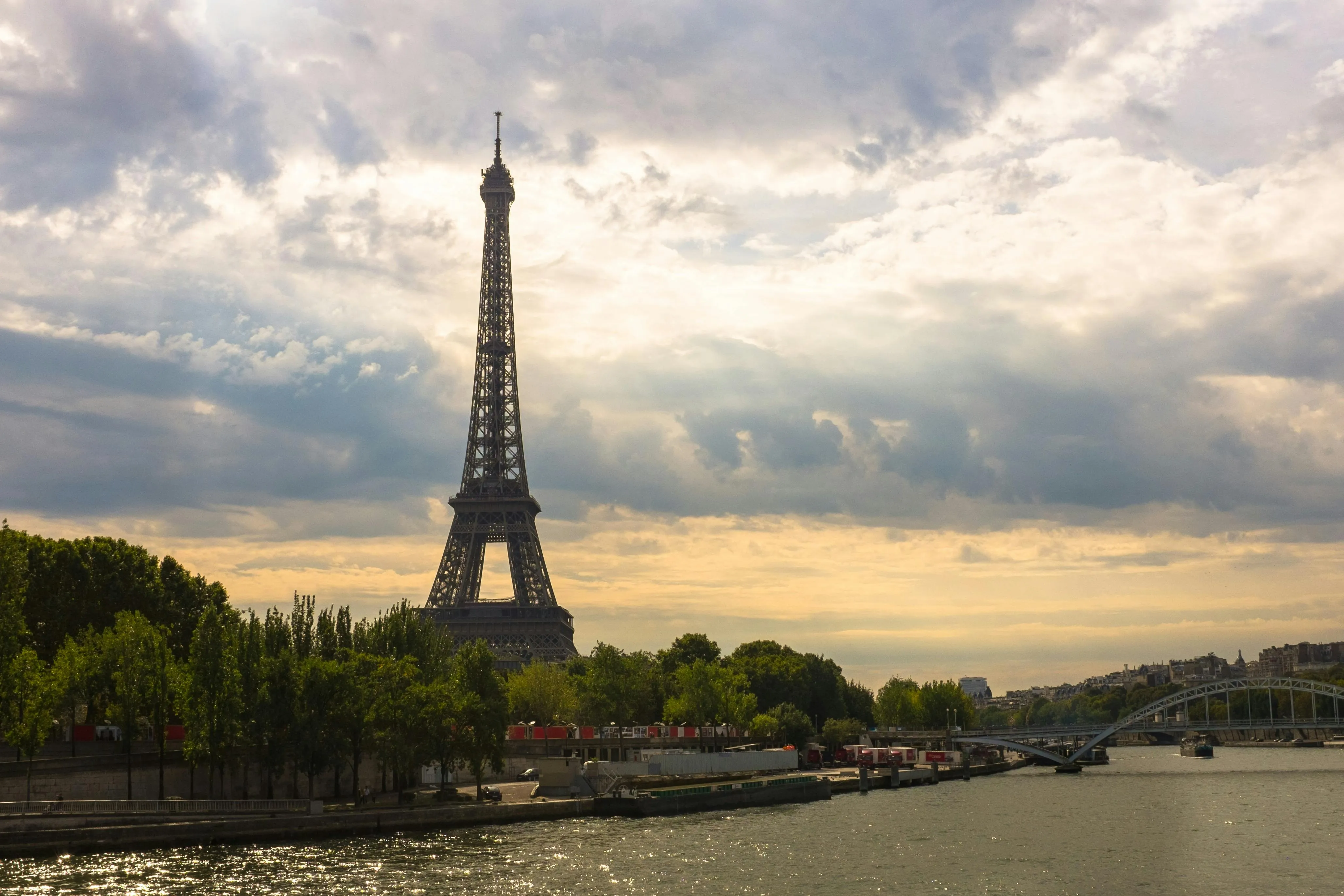
A one-hour sunset cruise offers a unique spectacle: seeing Notre-Dame, the Louvre, the Pont Alexandre III and the Eiffel Tower reflected in the Seine, bathed in golden light, a decidedly romantic moment perfect for unforgettable photos. Gliding along the Île de la Cité, you glimpse Notre-Dame, the Gothic cathedral begun in 1163 and restored over the centuries (remember the worldwide emotion during the 2019 fire); further on, the former royal palace of the Louvre, now a museum housing the Mona Lisa and marked since 1989 by I. M. Pei’s famous glass pyramid. The Pont Alexandre III, with its lampposts and fin‑de‑siècle sculptures, recalls the Franco‑Russian alliance sealed around the 1900 World's Fair, while the Eiffel Tower, born for the 1889 Exposition and initially controversial, sparkles each evening to enchant passersby. Add the gentle lap of the Seine, a glass of champagne or a small ham‑and‑butter sandwich, and you have a perfect interlude, intimate, historic and photogenic.
Intimate dinner with an Eiffel Tower view
Finish the evening with dinner in a restaurant offering a lovely view, on the banks of the Seine or facing the Eiffel Tower, or opt for a dinner cruise if you prefer to extend your riverside stroll and admire the illuminated monuments from the water. The Eiffel Tower, designed for the 1889 Exposition Universelle and long controversial before becoming Paris’s symbol, still holds the legend of Gustave Eiffel’s small private apartment at the top; since 1985 it lights up in a magical sparkle for a few minutes at the top of each hour, a spectacle that has become one of the most romantic moments in the capital. Alternatively, savor a French menu, aged cheeses, coq au vin, or a beautiful plate of fish depending on the Seine’s tide, accompanied, why not, by a glass of champagne to perfect the evening.
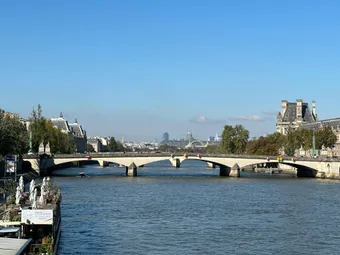
Photo by Rola Al Homsi on Pexels
Seine river: Stunning view of a classic Parisian bridge spanning the Seine River under a clear blue sky.
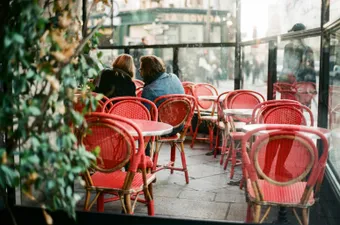
Photo by Anna Urlapova on Pexels
Parisian bistro: Romantic scene at a Parisian café featuring red chairs and a cozy ambiance.
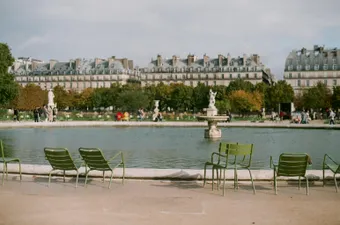
Photo by James Wilson on Pexels
Luxembourg Gardens: The statue-lined paths open onto the central basin of this famous Parisian garden in the 6th arrondissement, where green chairs invite visitors to sit and admire the formal French gardens. Golden light glides across the Palais's facade and makes the fountains sparkle, giving the park an almost theatrical charm.
Day 2 - A full cultural day with two world‑class museums and a spectacular evening at the Eiffel Tower, classic Parisian romance at its best.
Guided highlights tour of the Louvre
Explore the masterpieces: the Mona Lisa, the Venus de Milo, the Victory of Samothrace and the historic salons. The Mona Lisa, famous for her mysterious smile, saw her renown soar after the 1911 theft; today she is protected by bulletproof glass. The Venus de Milo, found on the island of Milos in 1820, captivates as much by the grace of her form as by the mystery of her missing arms. As for the Victory of Samothrace, uncovered during excavations on the island of Samothrace in the 19th century, she presides atop the Daru Staircase as an allegory of maritime triumph. Round off the visit with the palace’s historic rooms, the former royal apartments and Napoleonic salons, which trace the site’s evolution from fortress to residence to museum, culminating in Pei’s glass pyramid, which sparked so much debate in 1989.
A 2–3 hour guided tour lets you appreciate these major works and the history of the collections without getting lost among the museum’s millions of objects, and, time permitting, finish with a coffee by the Cour Napoléon to recharge.
Walk through the Tuileries and coffee break
After your visit to the Louvre, take a leisurely stroll through the Tuileries Garden: formerly the site of tile factories (hence its name), it was laid out in the 16th century for Catherine de’ Medici and later redesigned by André Le Nôtre. Wander along the paths, past the Grand Bassin—where children have sailed toy boats for generations—and among statues that blend classical works with modern creations, including several by Maillol. At each end you’ll also see the Jeu de Paume and the Musée de l’Orangerie, which frame this green lung between the Louvre and the Place de la Concorde.
Then pause at one of the small cafés that line the garden: a terrace, a café crème and a Parisian pastry provide the perfect occasion to share your impressions of the artworks you’ve seen and to savor a truly Parisian moment.
Musée d'Orsay, Impressionists & light
Set in the former Gare d'Orsay, built for the 1900 World's Fair and converted into a museum after escaping demolition, opening in 1986, the Musée d'Orsay houses one of the richest collections of Impressionist and Post‑Impressionist works (Monet, Renoir, Van Gogh). The vast glass nave, a legacy of railway architecture, bathes the galleries in a soft light that brings out the brushstrokes and vibrancy of the paintings. From the immense clock, now an iconic photo frame, the framed view of the Seine, the Tuileries and, in the distance, the hills of Montmartre invites a suspended moment, a perfect time to share as a couple. After the visit, you can prolong that atmosphere in the museum café or in one of the nearby Latin Quarter bistros, continuing the conversation over a coffee or a pastry.
Walk along the quays and Pont Alexandre III
The Pont Alexandre III, often cited as one of Paris’s most beautiful bridges, offers a unique view of the monuments, from the dome of Les Invalides to the Grand Palais, sometimes with the Eiffel Tower’s silhouette on the horizon. Built for the 1900 World's Fair and a symbol of the Franco‑Russian alliance, it is distinguished by its Art Nouveau lampposts and gilded sculptures that take on a magical glow at sunset. A hand‑in‑hand stroll along the quays, between a crêpe on the Rue de la Seine or an impromptu picnic (baguette, cheese and a bottle of wine), remains a quintessentially Parisian and endlessly photogenic image, which is why you come across so many weddings, photo shoots and film shoots there.
Evening at the Eiffel Tower (summit or dinner)
Climb to the top of the Eiffel Tower at dusk to enjoy a panoramic view of Paris as the rooftops glow, you can make out the Seine, the Louvre, Montmartre and even the Sacré‑Cœur. Built for the 1889 World’s Fair, the tower houses at its summit Gustave Eiffel’s small recreated office, a historical curiosity that recalls the architectural boldness of the era.
Romantic option: dine at 58 Tour Eiffel (on the first floor), a spot serving brasserie‑style cuisine with, weather permitting, a lovely view over the city (reservation required). And for a truly unforgettable memory, sit on the grass of the Champ‑de‑Mars, that vast green rectangle, a former military ground and site of public festivities since the Revolution, and watch the tower’s illumination and twinkling lights, which sparkle each evening for a few minutes at dusk.
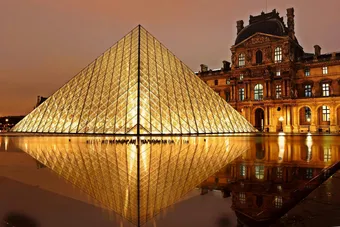
Photo by Pixabay on Pexels
Louvre: Stunning nighttime view of the illuminated Louvre Pyramid and reflection in Paris, France.
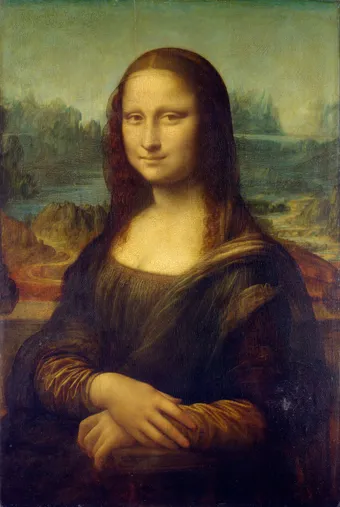
Mona Lisa: The Mona Lisa is a half-length portrait painting by the Italian artist Leonardo da Vinci. It is considered as an archetypal masterpiece of the Italian Renaissance.
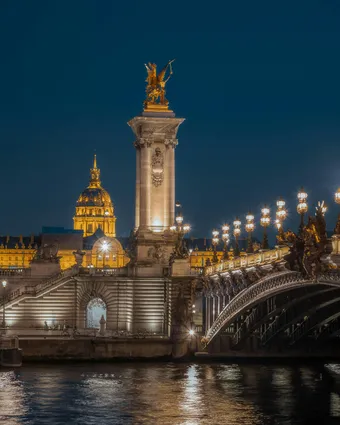
Photo by Leon Macapagal on Pexels
Alexandre III Bridge: The famous parisian bridge ay night
Day 3 - A gentle final day combining Montmartre's village charm, sweet Parisian treats and last discoveries in elegant passages, a fitting end to a romantic weekend.
Montmartre: Sacré‑Cœur and Place du Tertre
Start the morning in the charming "village" of Montmartre: climb the steps to the Sacré‑Cœur, or take the funicular if you prefer, for a breathtaking view over all of Paris. The basilica, built after the 1870 war and completed in the early 20th century, houses an immense mosaic of Christ, and its dome serves as a beloved lookout where Parisians come to grab a quick breakfast or pose for a photo.
Then descend toward the Place du Tertre and let its lively lanes carry you along: portraitists, painters setting up easels and palettes, cafés and small crêperies give the area that bohemian, romantic atmosphere that inspired so many artists. Montmartre has long been an artists’ enclave, names like Picasso, Toulouse‑Lautrec and Modigliani are part of its history, and you can still find traces of that picturesque neighborhood life among the Museum of Montmartre, the old windmill of the Moulin de la Galette and the little vineyard of Clos Montmartre. Don’t miss stopping for a coffee or a crêpe and, why not, leaving with a portrait made on the spot.
Musée de Montmartre and Renoir gardens
Discover the artistic history of the neighborhood at the Musée de Montmartre, housed in former homes where figures like Renoir, Suzanne Valadon and Maurice Utrillo lived and worked, then stroll through the Renoir Gardens, a small, history-steeped haven of peace with flower beds, a pergola and views over the Clos Montmartre vineyard. You can still feel the atmosphere of the old studios and nearby cabarets: Montmartre was long the home of Parisian bohemians, and each autumn the local winemaking tradition is celebrated during the famous Fête des Vendanges.
Treat on Île Saint‑Louis (famous ice cream)
Head down to the heart of Île Saint‑Louis to savor a renowned artisanal ice cream—think iconic flavors (salted butter caramel, fruity sorbets)—from a shop on the island since the 1950s, where the ice creams are still made in small batches with fresh ingredients. Then stroll along the quays of the Seine, facing the Pont‑Neuf and Notre‑Dame: the sunlight playing on the water, the façades of 17th‑century townhouses and the air scented with ice cream will make this final walk decidedly romantic before you depart.
Covered passages & Palais‑Royal, boutique stroll
Stroll through the covered passages and arcades of the Palais‑Royal, true jewels of elegance where refined boutiques and cafés steeped in history nestle. Once Cardinal Richelieu’s palace, later a hub for salons and philosophical cafés in the 18th and 19th centuries, the site welcomed writers, actors and merchants; its galleries, now lined with bookshops, antique dealers and artisan ateliers, in fact inspired Paris’s covered passages. Between a gourmet pause in a tearoom that evokes the literary gatherings of old and a look at the contemporary columns in the centre of the courtyard, it’s a delightfully refined way to conclude your getaway.
Farewell dinner: cozy bistro or live jazz
To finish in style, treat yourself to dinner at a tucked-away spot in the Marais, that neighborhood of elegant townhouses, cobbled lanes and mingled flavors (you'll find as many refined bistros as the famous Rue des Rosiers with its falafels), or spend the evening in an intimate jazz club. In those dimly lit cellars, heirs to a tradition that saw American musicians like Sidney Bechet flourish in Paris, live music and the hushed atmosphere will compose a gentle farewell to the city.
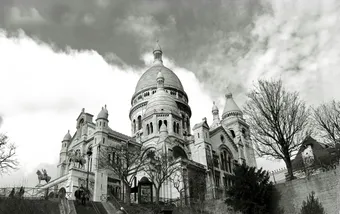
Photo by Melanie Wupperman on Pexels
Sacré-Cœur Basilica: Black and white photograph of the Sacre-Cœur Basilica in Paris, highlighting its architectural grandeur.
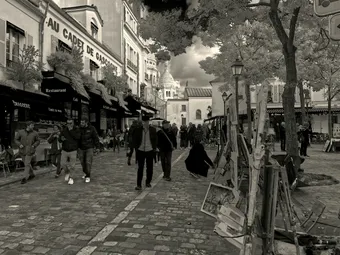
Photo by Abdus Samad Mahkri on Pexels
Montmartre artists: Street scene in Montmartre, Paris with Sacré-Cœur in background, bustling with people.
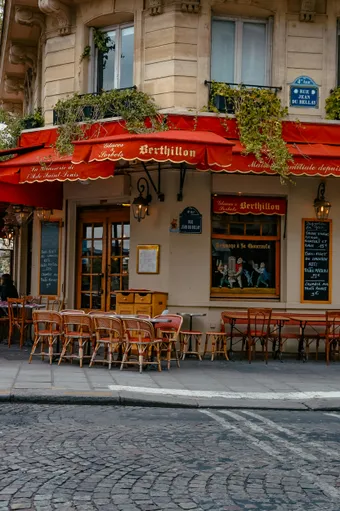
Photo by Céline on Pexels
Berthillon: Let yourself be captivated by one of the most famous ice cream vendors in Paris, on the Île Saint-Louis