
Okinawa and Yaeyama Islands: Diving, Music and Flavors
Last update: December 11, 2025
Optimized itinerary to discover the main islands of Okinawa and Yaeyama, prioritizing diving and snorkeling, local music and gastronomy. Transfers are arranged to minimize time lost between islands and allow regular sporting activities without unnecessary fatigue.
Japan: Ishigaki, Taketomi, Iriomote, Onna, Motobu, Naha
Day 1 - Arrival in Ishigaki followed by snorkeling and a dive, evening at the public market to taste local specialties.
Morning flight Tokyo (Haneda) to Ishigaki
Depart in the morning from Haneda Airport for Ishigaki, a direct flight of about three hours. Use the flight time to organize light dive gear and check dive and excursion reservations for arrival. Flying over the archipelago can reveal the deep blue Ryukyu waters, offering an early preview of the reefs to come. Arriving early in Ishigaki maximizes the day and reduces connection stress. Bring a small first aid kit and adapters, and check local weather that will influence boat departures.
Plan for a transfer between Haneda International Airport (Tokyo) and Yonehara Beach, Ishigaki Island, Okinawa. For this journey, the best type of transportation is : Direct flight. With this option, the estimated duration is : 03:10. Direct flight Haneda -> Ishigaki. Morning booking to maximize on-site time.
Guided snorkeling at Yonehara Coral Reef
Yonehara is known for its reef accessible from the shore and for a rich underwater life. Guided snorkeling allows observation of hard and soft corals, parrotfish and colorful tropical schools in often clear water. Local guides explain species behavior and reef protection rules, and highlight cultural links between residents and sustainable fishing. This first water session is ideal to acclimate before deeper dives in the coming days.
Plan for a transfer between Yonehara Beach, Ishigaki Island, Okinawa and Ishigaki Port, Ishigaki. For this journey, the best type of transportation is : Car/minibus transfer. With this option, the estimated duration is : 00:20. Short transfer from the snorkeling meeting point to the diving center at the port, allowing time to change and prepare gear.
Scuba dive at Manta Scramble or nearby coral sites
Waters around Ishigaki are known for possible manta ray encounters depending on season and currents. A guided dive takes you to varied sites, reefs and walls, where visibility and biodiversity offer memorable encounters. Local centers share stories about traditional fishing and marine protection, and explain how the Kuroshio current affects large species presence. Briefings emphasize safety, respect for wildlife, and coral fragility.
Plan for a transfer between Ishigaki Port, Ishigaki and Ishigaki Public Market, Ishigaki. For this journey, the best type of transportation is : Taxi or walk depending on weather. With this option, the estimated duration is : 00:15. Trip to the market for an evening discovery, convenient and quick.
Explore Ishigaki Public Market and taste Yaeyama specialties
Ishigaki Public Market offers immersion among local products, exotic fruits, fresh fish and condiments like shima tofu and awamori. Walking between stalls allows sampling Yaeyama specialties such as goya champuru and small seafood dishes. Stallholders often explain ingredient histories, and the market atmosphere reflects a mix of Japanese and indigenous influences. It is a good place to buy artisanal items and learn about local music and festival traditions.
Plan for a transfer between Ishigaki Public Market, Ishigaki and Beach eco-lodge, Ishigaki (accommodation). For this journey, the best type of transportation is : Taxi. With this option, the estimated duration is : 00:15. Short ride to the seaside accommodation for the night, dry dive gear and rest.
At the end of the day, accommodation such as Seaside eco-lodge with wooden bungalows located in Ishigaki, west coast is recommended. Unique bungalows near a white sand beach using local materials and offering direct sea access, convenient for early dive departures. The atmosphere is often friendly, with groups of divers and local guides offering tips to optimize outings.
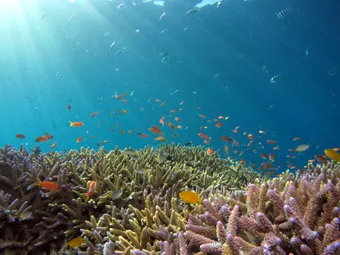
Photo by Hiroko Yoshii on Unsplash
Coral reef: Beautiful reef and orange fish in Okinawa sea.
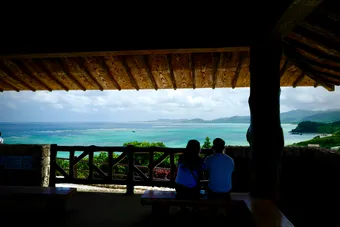
Photo by Kazuo ota on Unsplash
The coast of Ishigaki Island: The coast of Ishigaki Island reveals pale sandy beaches fringed by turquoise waters and coral reefs, where layers of blue melt into the horizon. Between mangroves, gentle cliffs, and lush tropical vegetation, the scenery creates an atmosphere that feels both wild, peaceful, and truly exotic.
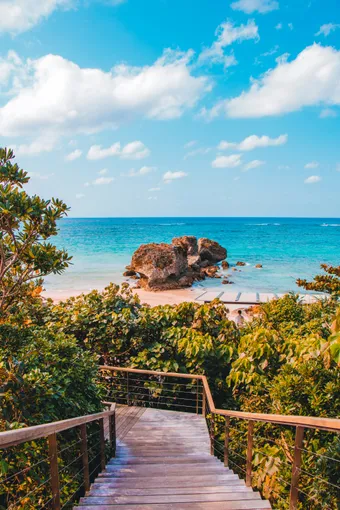
Photo by Sho K on Unsplash
The coast of Ishigaki Island: A wooden staircase winds through lush tropical greenery and leads down to a pale sandy beach, bordered by the turquoise waters typical of Okinawa. In the distance, large rocks rise from the calm sea beneath a blue sky dotted with clouds, creating a peaceful, almost idyllic atmosphere.
Day 2 - Short day on Taketomi, cultural bicycle tour and relaxing swim, return to Ishigaki for the evening.
Ferry crossing Ishigaki to Taketomi
A short ferry ride of about ten minutes to the traditional island of Taketomi. The trip is quick and scenic, often accompanied by sea breezes and views of small islets. Taketomi is famous for its preserved Ryukyu village, red-tiled roofs and sandy streets. Arriving by ferry sets a gentle island pace and allows exploration by bicycle to respect the tranquility of the island.
Plan for a transfer between Ishigaki Port Ferry Terminal and Taketomi Village, Taketomi. For this journey, the best type of transportation is : Ferry. With this option, the estimated duration is : 00:10. Quick crossing to Taketomi, regular and convenient, arriving near the village.
Bicycle tour of Taketomi village and swim/snorkel at Kondoi Beach
Cycling through the village offers encounters with traditional architecture, sandy lanes and tile-roofed houses. Kondoi Beach, with shallow waters and clear sand, is perfect for relaxed snorkeling, watching algae beds and small fish. Locals share stories about basket weaving and island customs. This cultural and marine mix highlights Taketomi's preserved identity, and cycling offers a gentle way to explore without disturbing the island's character.
Plan for a transfer between Kondoi Beach, Taketomi and Restaurants and stalls, Taketomi Village. For this journey, the best type of transportation is : Bicycle with or without assist. With this option, the estimated duration is : 00:10. Island mobility by bike to preserve the calm and reach food stalls.
Taste local dishes on the island and return to Ishigaki
Try simple local dishes such as grilled fish, seaweed tempura and rice served with awamori. Family-run stands often serve recipes passed down through generations. After the meal, the ferry back to Ishigaki provides sunset views over the archipelago and time to prepare for the following day dedicated to Iriomote, a wilder island suited to river and marine activities.
Plan for a transfer between Restaurants and stalls, Taketomi Village and Ishigaki Port Ferry Terminal. For this journey, the best type of transportation is : Ferry. With this option, the estimated duration is : 00:10. Return ferry to Ishigaki, arriving in the evening to reach accommodation.
At the end of the day, accommodation such as Traditional Ryukyu house converted to guesthouse located in Ishigaki, city center is recommended. Stay in a renovated traditional house, providing close contact with local heritage and owners who often share stories about local music and family recipes. Located near services for easy departure to excursions.

Photo by Subtle Cinematics on Unsplash
Snorkeling: Snorkeling in Okinawa lets you explore crystal-clear lagoons filled with colorful coral reefs and tropical fish, often just a short distance from the shore. With warm, usually calm waters, it offers an easy and immersive way to experience a rich and vibrant marine ecosystem.
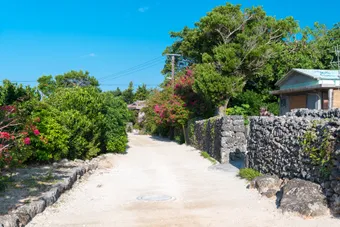
Photo by Jordy Meow on Wikipedia
Taketomi: Traditional village houses featuring well-preserved architecture that is truly representative of Okinawa.
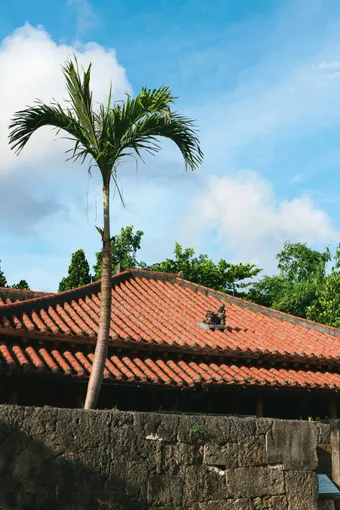
Photo by SLNC on Unsplash
Typical roof of houses: The roofs of houses in Taketomi are covered with traditional red tiles, often weighted down with stones to withstand the frequent typhoons in the region. This architecture, preserved under strict conservation rules, reflects both adaptation to the local climate and the unique cultural heritage of the Yaeyama Islands.
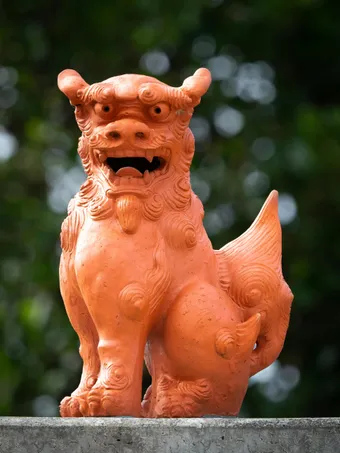
Photo by William Warby on Pexels
Shisa: Shisa are traditional Okinawan statues inspired by lions, placed on rooftops or at the entrance of homes to protect residents from evil spirits. They are symbols of good luck and protection and hold an important place in local culture and beliefs.
Day 3 - Day trip to Iriomote for mangrove kayaking and a hike or snorkeling, return to Ishigaki in the evening.
Morning ferry Ishigaki to Iriomote (Ohara or Uehara port)
Depart by ferry to Iriomote, a wilder island known for mangroves and tropical forests. Depending on schedule, you arrive at Ohara or Uehara port, starting points for river activities. The crossing signals a shift to a near-pristine environment. Bring quick-dry shoes for hikes and kayaks, as the island demands physical effort and rewards with unique landscapes and wildlife.
Plan for a transfer between Ishigaki Port Ferry Terminal and Urauchi River, Iriomote. For this journey, the best type of transportation is : Ferry then local minibus. With this option, the estimated duration is : 00:50. Ferry then short minibus transfer to the kayak departure point.
Mangrove kayaking on the Urauchi River and biodiversity observation
The Urauchi River winds through dense mangroves, offering a unique landscape of tropical forest meeting the sea. Guided kayaking allows quiet approaches to wildlife and explanations of the ecosystem. Guides explain mangrove roles in coastal protection and fisheries, and local conservation efforts. This activity combines physical effort and ecological immersion, ideal for those wanting a sporting but informative experience in a rare habitat.
Plan for a transfer between Urauchi River, Iriomote and Pinaisara Falls Trailhead / Iriomote coast. For this journey, the best type of transportation is : Shuttle or walking transfer. With this option, the estimated duration is : 00:30. Short transfer to the trailhead or snorkeling spot depending on the day's plan.
Hike to Pinaisara Falls or coastal snorkeling depending on conditions
Pinaisara Falls is among Okinawa's tallest cascades and reaching it involves trekking through forest and river crossings. If weather or tides prevent hiking, coastal snorkeling with a local guide is an alternative to explore shallow reefs. The hike offers perspectives on how inhabitants have used natural resources for generations. It is a rewarding and physically engaging day, finishing with a return to Ishigaki in the evening.
Plan for a transfer between Pinaisara Falls area / Iriomote coast and Ishigaki Port Ferry Terminal. For this journey, the best type of transportation is : Minibus then ferry. With this option, the estimated duration is : 01:10. Return combined transfer and ferry to Ishigaki, arriving in the evening to reunite with accommodation.
At the end of the day, accommodation such as Friendly guesthouse in Ishigaki center located in Ishigaki, city center is recommended. Night in a friendly guesthouse, favored by divers and active travelers. Proximity to ports allows easy morning departures, and the social atmosphere is conducive to sharing dive experiences.
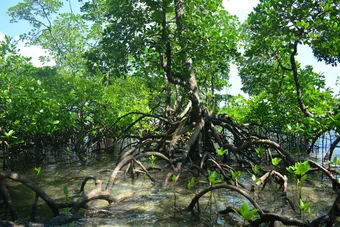
Photo by Dileesh Kumar on Unsplash
Mangroves in Iriomote-Jima: The mangroves of Iriomote-jima are among the largest and best preserved in Japan, forming a dense network of roots and waterways along coastal rivers. A true haven for exceptional biodiversity, they shelter many endemic species and create a wild landscape that can be explored, notably by kayak.
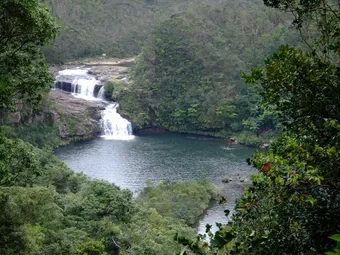
Photo by Free on wikimedia
Waterfall in Iriomote-Jima in Mariyudo: The waterfalls of Iriomote-jima are hidden deep within a dense, well-preserved jungle and are often reached after a hike or a boat trip along the island’s rivers. Fed by the island’s humid tropical environment, they form natural pools surrounded by lush vegetation, enhancing the area’s wild and remote atmosphere.
Day 4 - Flight to Okinawa main island, Blue Cave immersion and evening musical dinner, night in coastal glamping.
Domestic flight Ishigaki to Naha (Okinawa main island)
Morning flight to Naha, the capital of Okinawa. The roughly 90-minute flight places you close to the main island's top sites and allows same-day dives or transfers to the central coast. Upon arrival you can pick up a rental car to reach places like Cape Maeda. Flying reduces fatigue compared to a long ferry crossing and helps optimize remaining activity days.
Plan for a transfer between Ishigaki Airport and Cape Maeda, Onna. For this journey, the best type of transportation is : Domestic flight then rental car. With this option, the estimated duration is : 02:30. Flight Ishigaki -> Naha (1h30) followed by drive to Cape Maeda (around 1h depending on traffic). Rental car streamlines access.
Diving or snorkeling at Cape Maeda Blue Cave
The Blue Cave near Cape Maeda is famous for luminous colors and water clarity. Local dive centers run scuba and guided snorkeling sessions in morning and afternoon. Guides explain subaquatic geology and how light creates the blue effect, and inform about species to encounter. The site is popular, so mid-week or early starts reduce crowds. It is an iconic spot for underwater photography and easy snorkeling.
Plan for a transfer between Cape Maeda, Onna and Local restaurant and performance venue, Onna / Naha area. For this journey, the best type of transportation is : Car. With this option, the estimated duration is : 00:45. Drive to dinner and performance location, timing flexible based on the chosen venue.
Evening Ryukyu music performance and Okinawan cuisine tasting
Attend a Ryukyu music performance featuring the sanshin and traditional dance, paired with a meal of regional dishes like rafute, tebichi and awamori. Musicians often explain song origins and links to the sea. This cultural encounter emphasizes the continuity between marine life, fishing traditions and musical expression. Choosing a venue with a local menu allows tasting long-standing recipes rooted in the islands' lifestyle.
Plan for a transfer between Local restaurant and performance venue, Onna / Naha area and Coastal glamping, Onna (accommodation). For this journey, the best type of transportation is : Car. With this option, the estimated duration is : 00:30. Transfer to seaside glamping site for an original overnight stay after the cultural evening.
At the end of the day, accommodation such as Seaside glamping with furnished tents located in Onna Village, central Okinawa coast is recommended. Stay in a well-equipped tent facing the sea, combining comfort and immersion in nature. Glamping offers quick access for morning dives and pleasant sunsets on the west coast.
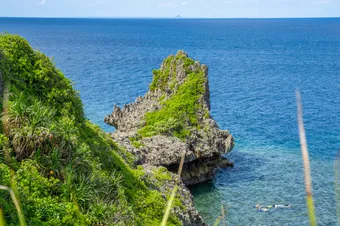
Photo by Roméo A. on Unsplash
Cape Maeda: Cape Maeda is an iconic coastal site in Okinawa, known for its limestone cliffs dropping into deep blue waters and the famous Blue Cave. Popular for diving and snorkeling, it offers excellent visibility and rich marine life, suitable for both beginners and experienced divers.
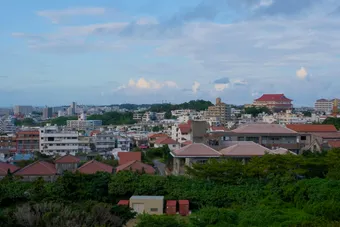
Photo by Davina on Pexels
Okinawa cityscape: Panoramic view of Okinawa cityscape with traditional and modern buildings.
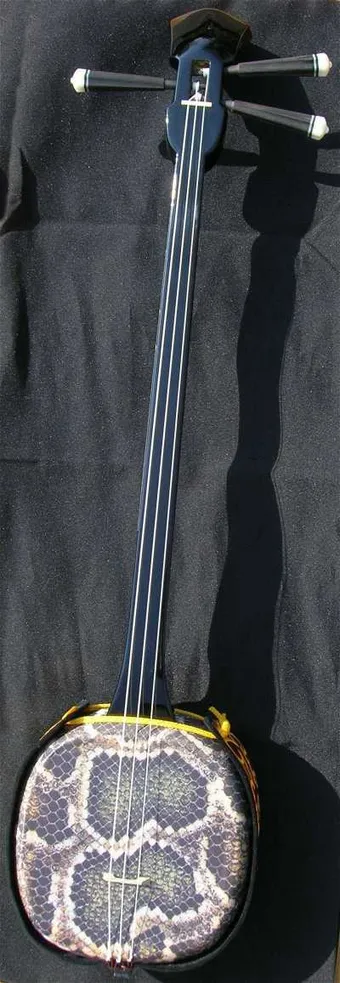
Photo by Tim Duncan on Wikipedia
Sanshin: The sanshin is a traditional Okinawan musical instrument with three strings stretched over a body historically covered with snakeskin. Closely tied to local music and songs, it holds a central place in Okinawan culture, symbolizing identity, cultural transmission, and a strong sense of community.
Day 5 - Day in the north for the famous aquarium, coastal dives and a pottery workshop with musical encounters.
Okinawa Churaumi Aquarium and exploration of the Kuroshio Sea exhibit
Churaumi Aquarium is renowned for its huge Kuroshio tank presenting tunas, large sharks and informative displays about the Kuroshio current that feeds nutrient-rich waters. Exhibits explain reef conservation efforts essential for dive site longevity and traditional fisheries. The aquarium complements field experience by offering a scientific perspective on regional ecosystems and the links between currents and marine biodiversity encountered while diving. It is an educational highlight before further coastal exploration.
Plan for a transfer between Okinawa Churaumi Aquarium, Motobu and Sesoko Island / Kouri Island Coast. For this journey, the best type of transportation is : Car then short boat transfer if needed. With this option, the estimated duration is : 00:40. Move to the coast for snorkeling or diving, easy logistics from Motobu.
Diving/snorkeling at Sesoko or around Kouri Island
Waters around Sesoko and Kouri provide reef areas known for clarity and varied fish life. A guided outing explores coral gardens and shallow zones ideal for snorkeling or deeper dive sites depending on preferences. Kouri offers scenic coastal views and a famous bridge for photos. Local guides discuss reef restoration projects and traditional fishing methods that have used these coastal areas for generations.
Plan for a transfer between Sesoko / Kouri Coast and Yomitan Pottery Village, Yomitan. For this journey, the best type of transportation is : Car. With this option, the estimated duration is : 01:00. Drive to Yomitan for a late afternoon workshop and overnight in the Nago/Motobu area depending on preferences.
Visit Yomitan pottery village, hands-on pottery workshop and local music encounter
Yomitan is known for its traditional pottery, yachimun, and artisan studios. Participating in a workshop allows creating a small piece while learning about connections between pottery, culinary traditions and local rituals. Some cafés or small venues host sanshin sessions where local musicians explain the instrument's role in ceremonies and festivals. This day blends marine science, sporting activity and handicraft traditions for a comprehensive cultural experience.
At the end of the day, accommodation such as Eco villa with sea view near Nago/Motobu located in Nago / Motobu area is recommended. Eco-friendly villa or small resort set into the coastal landscape, ideal to rest after a day split between aquarium visits and beaches. These lodgings offer calm and convenient access to north island sites.
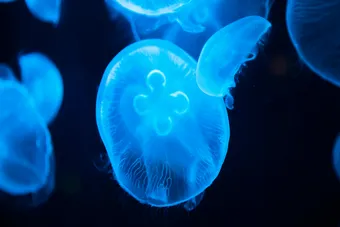
Photo by Ryutaro Tsukata on Pexels
Churaumi Aquarium: Group of glowing blue transparent jellyfish swimming on black background in dark sea in deep water in bright neon light. Jellyfish are very common around the islands of Okinawa and can be extremely dangerous.
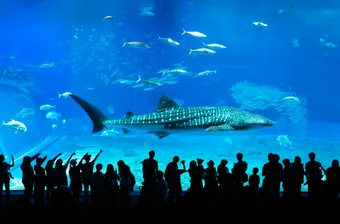
Photo by William Warby on Pexels
Churaumi Aquarium: Whale shark inside the giant aquarium.
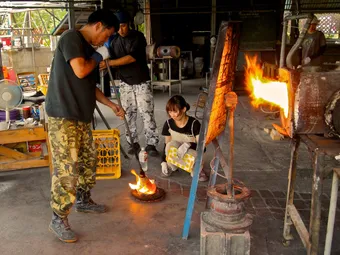
Photo by wongaboo on flickr
Yomiton Pottery Village: The pottery village of Yomitan is renowned for preserving traditional Okinawan ceramics, with many workshops where artisans shape and fire their pieces on site. Set in a peaceful environment, it offers an authentic immersion into local craftsmanship and the simple, warm aesthetic of Ryukyu pottery.
Day 6 - Morning heritage visit at Shuri Castle, gourmet stroll on Kokusai Dori and transfer to Naha Airport for the evening return flight.
Morning visit to Shuri Castle Park
Shuri Castle, the historic heart of the Ryukyu Kingdom, tells the story of a maritime realm with exchanges across Southeast Asia. Exploring the park shows restored architecture and exhibitions on music and ceremonies. Information is available about cultural influences, language and instruments like the sanshin. It is an essential stop to understand Okinawan identity before departure.
Plan for a transfer between Shuri Castle Park, Naha and Kokusai Dori, Naha. For this journey, the best type of transportation is : Bus or taxi. With this option, the estimated duration is : 00:20. Short ride to the main avenue for the gourmet stroll.
Gourmet stroll and shopping on Kokusai Dori, tasting local specialties
Kokusai Dori is Naha's main avenue, ideal for sampling treats such as sata andagi, pork rice bowls and awamori in small bars and stalls. Adjacent markets sell crafts, textiles and traditional instruments. Strolling the street gives a sense of urban Okinawa and a last chance to buy souvenirs linked to music and local culture. It is also an opportunity for a relaxed final meal before the airport transfer.
Plan for a transfer between Kokusai Dori, Naha and Naha Airport. For this journey, the best type of transportation is : Taxi or monorail plus shuttle. With this option, the estimated duration is : 00:30. Transfer to Naha Airport for the evening flight, with timing depending on chosen mode and traffic.
Transfer to Naha Airport and evening flight to Tokyo
Travel to Naha Airport in late afternoon for the evening flight back to Tokyo. Allow sufficient time for vehicle return and check-in procedures. This is the moment to verify documents and packed dive gear. The evening flight maximizes the final day in Naha and lets you depart after a week full of activities.
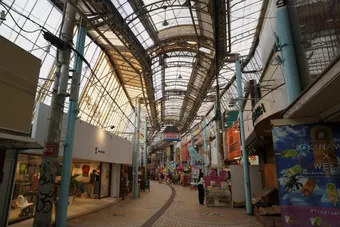
Photo by Aiwa Hu 艾蛙媽 VS. 達樂哥 on Pexels
Naha market: Vibrant view of Heiwa Dori Shopping Street, Naha, with bustling market atmosphere.
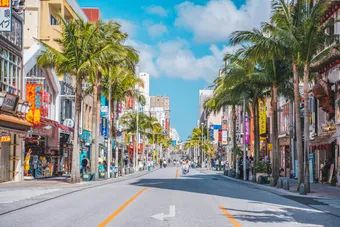
Photo by Roméo A. on Unsplash
Kosukai Dori in Naha: Kokusai Dori is the liveliest street in Naha and the true commercial and cultural heart of Okinawa, lined with shops, restaurants, and markets. It reflects the island’s vibrant atmosphere, blending local traditions, regional cuisine, and modern urban life.
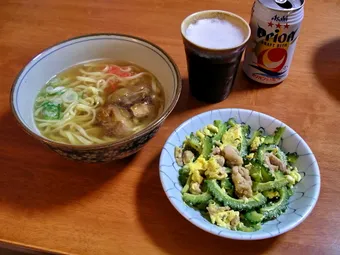
Photo by Blue Lotus on Wikipedia
Local culinary specialties: soba, gōyā chanpurū, and Orion beer: Goya champuru is an iconic Okinawan dish made from stir-fried bitter melon mixed with tofu, eggs, and often pork or Spam. A staple of local cuisine, it reflects a balance of flavors, simplicity, and health benefits.