
Introduction. This practical guide highlights 10 unmissable Spanish destinations, summarizing cultural, historic and practical details to help you plan your trip efficiently.
1. Madrid
Madrid is Spain’s political and cultural capital, home to world-class museums and historic squares. The Prado Museum houses masterpieces by Velázquez and Goya, with general admission around €15 (museodelprado.es). The Royal Palace and Plaza Mayor showcase baroque and royal history. Nightlife in Malasaña and La Latina offers excellent tapas and live music. Accommodation. Typical prices: hostels €20–40/night, mid-range hotels €80–150/night, luxury €200+.
Transport. Madrid-Barajas (MAD) is the main hub, with AVE high-speed trains to Seville and Barcelona. AVE takes about 2 h 30 to Barcelona and 2 h 30–2 h 40 to Seville (renfe.com). The metro is efficient for city travel (single ticket ~€1.50–2.00).
Practical tip. Book Prado or Reina Sofía tickets online to skip queues. The official city site esmadrid.com has visitor information and passes.
2. Barcelona
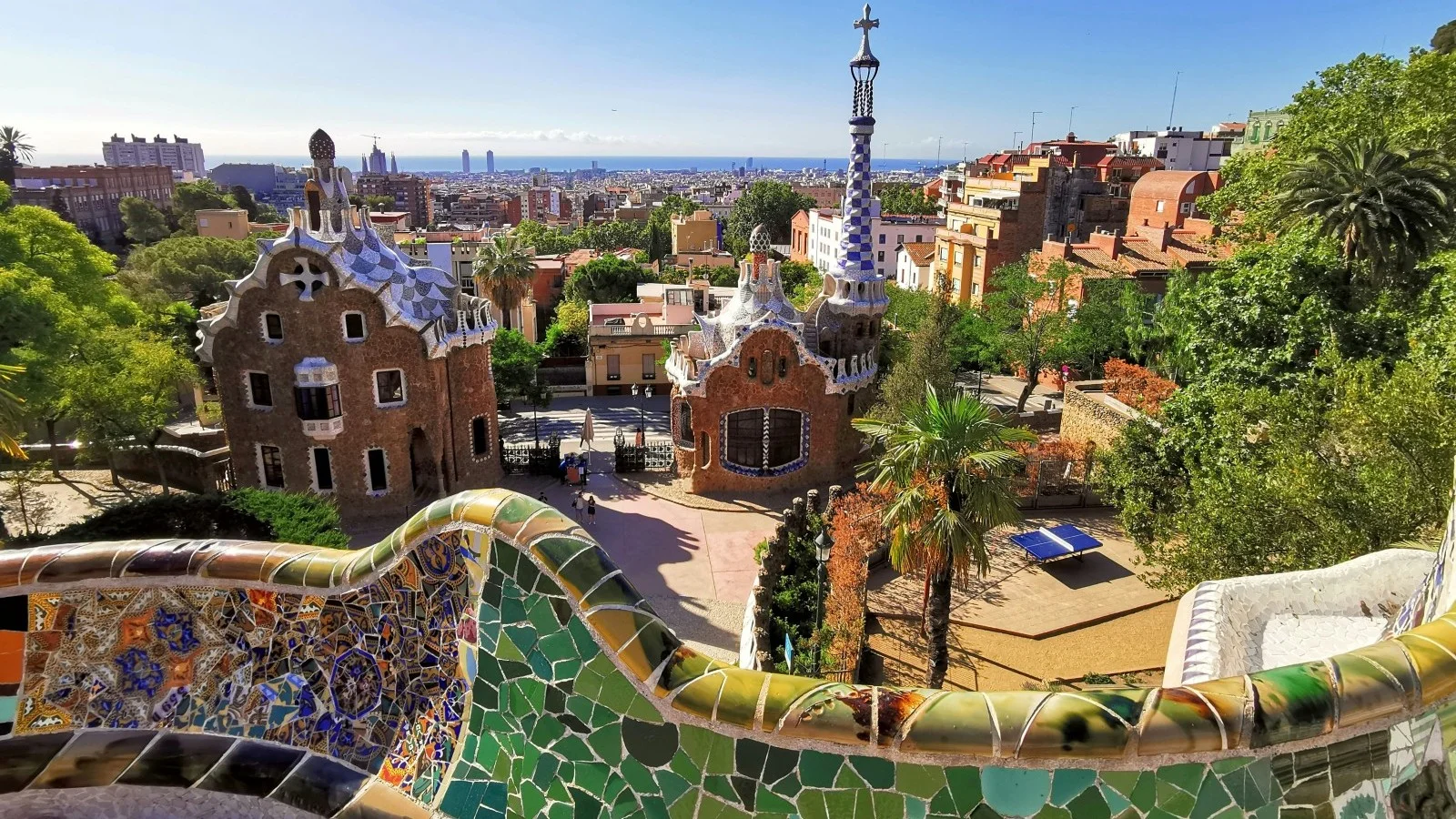
Barcelona shines with Gaudí’s architecture. The Sagrada Família draws millions; standard tickets start around €26 (sagradafamilia.org). Park Güell, Casa Batlló and La Pedrera showcase Catalan modernism. Culture. Barcelona also offers museums, gastronomy and urban beaches for a balanced city-break.
Transport and costs. El Prat (BCN) serves many international flights. AVE to Madrid is 2 h 30–3 h. Accommodation: hostels €18–40/night, mid-range hotels €90–180/night. Consider the Barcelona Card for transport and museum discounts (barcelonaturisme.com).
Practical tip. Reserve Sagrada Família and Casa Batlló in advance. Avoid La Rambla late at night if you prefer fewer tourist traps.
3. Seville
Seville is an Andalusian gem for flamenco, mudéjar architecture and tapas. Seville Cathedral and the Giralda tower are monumental, and the Alcázar reveals exquisite Moorish palaces; Alcázar tickets start at about €13–15 (visitasevilla.es). Heritage. The Santa Cruz quarter and Plaza de España display Renaissance and Hispano-Moorish influences.
Transport and times. AVE from Madrid is roughly 2 h 30. From San Pablo airport (SVQ), taxis take about 20–30 minutes. Accommodation. Costs: hostels €25–50/night, mid-range hotels €70–160/night. Season. April–May and September–October are ideal, avoid July–August for extreme heat (often >35 °C).
Practical tip. Attend an authentic flamenco show in a local tablao. Official regional information is at andalucia.org.
4. Granada
Granada is famed for the Alhambra, a Nasrid palace complex listed by UNESCO. General Alhambra tickets usually range from €14 to €18 depending on season, book well in advance (alhambra-patronato.es). History. Palaces, the Generalife gardens and the Albayzín quarter immerse visitors in medieval Islamic Spain.
Cultural highlights. The Mirador de San Nicolás offers iconic views of the Alhambra with the Sierra Nevada backdrop. Transport. Granada is about 130 km from Málaga (approx 1 h 45 by car) and ~250 km from Seville (2 h 30–3 h by car). Accommodation. Prices: hostels €18–45/night, hotels €60–140/night.
Practical tip. Visit the Alhambra early in the morning for better light and cooler temperatures. Official tickets and info are on the Alhambra foundation site.
5. Valencia
Valencia blends historic neighborhoods with futuristic architecture. The City of Arts and Sciences by Santiago Calatrava is a major cultural and scientific complex, featuring the Oceanogràfic, Europe’s largest aquarium (oceanografic.org). Food. Valencia is the birthplace of paella; expect €8–18 for a simple portion at local restaurants.
Transport and distances. Valencia lies about 350 km from Barcelona (3–3.5 h by train) and 290 km from Madrid (AVE ~1 h 40). Accommodation. Typical rates: hostels €15–35/night, hotels €60–140/night. Activities. Don’t miss the Central Market and the historic quarter.
Practical tip. Buy combined tickets for the City of Arts and Sciences if visiting multiple attractions. See visitvalencia.com for details.
6. Bilbao
Bilbao underwent a cultural renaissance led by the Guggenheim Museum, a catalyst for urban renewal. The museum hosts modern exhibitions with admission around €13–18 (guggenheim-bilbao.eus). Architecture. Frank Gehry’s titanium-clad building is an icon, surrounded by riverside promenades and dining.
Basque culture. Bilbao is a gateway to Basque food culture, pintxos bars and green landscapes. Transport. Bilbao airport (BIO) is 12 km from the center; San Sebastián is about 100 km away (1 h 15 by car). Accommodation. Prices: hostels €20–45/night, hotels €70–160/night.
Practical tip. Try pintxos in the Casco Viejo and take the Artxanda funicular for views. Official info: tourismobilbao.eus.
7. San Sebastián (Donostia)
San Sebastián is famed for its beaches like La Concha and a world-class culinary scene. The city hosts many Michelin-starred restaurants, with meals ranging from €20 for local fare to €100+ for fine dining. Beach and culture. The International Film Festival in September draws visitors and industry professionals.
Transport and proximity. Located about 20 km from the French border; Bayonne is ~45 minutes by car. Bilbao is ~100 km away. Accommodation. Expect higher prices in high season: hostels €25–50/night, hotels €90–220/night.
Practical tip. Book well ahead for the film festival or summer months. See sansebastianturismoa.eus for events and visitor information.
8. Córdoba
Córdoba is home to the Mezquita-Cathedral, an extraordinary Islamic-Christian monument listed by UNESCO (mezquita-catedraldecordoba.es). History. The city preserves a medieval street pattern with flower-filled patios and narrow alleys.
Architectural highlights. The former mosque features a forest of columns and horseshoe arches; admission is around €10–12. Transport. Córdoba lies roughly 400 km from Barcelona and 160 km from Seville, with AVE connecting to Madrid in about 1 h 40. Accommodation. Typical rates: hostels €15–40/night, hotels €50–120/night.
Practical tip. Visit in May to enjoy the Córdoba Patios Festival, a major cultural highlight. Regional info on andalucia.org.
9. Santiago de Compostela
Santiago is the historic endpoint of the Camino pilgrimage. The cathedral of Santiago draws pilgrims and visitors for its religious and artistic heritage. Heritage. The old town is UNESCO-listed, with medieval lanes and Galician hospitality (whc.unesco.org/en/list/347, santiagoturismo.com).
Transport and costs. Santiago airport (SCQ) offers national and European flights. From Madrid, flights are about 1 h 15, trains 5–6 h. Accommodation. Prices: hostels €12–35/night, hotels €60–140/night. Pilgrimage tourism affects availability during peak months.
Practical tip. If planning part of the Camino, prepare physically and reserve accommodations in advance. The pilgrim’s office issues the Compostela certificate, see oficinadelperegrino.com.
10. Palma de Mallorca (Balearic Islands)
Palma blends Mediterranean beaches with a historic old town. The Cathedral of Palma (La Seu) and the Almudaina Palace are must-sees. Beach and nature. Palma Airport (PMI) is well connected to Europe; flights from Madrid take about 1 hour, ferries from Barcelona take 7–8 hours depending on the operator.
Accommodation and costs. In high season prices rise: hostels €20–50/night, hotels €80–250/night depending on quality. Activities. Beaches, hiking and water sports complement cultural visits in the old town.
Practical tip. Renting a car helps explore the island beyond Palma. Official Balearic tourism site: illesbalears.travel.
Practical travel tips for Spain
- Best times to travel. April–May and September–October offer pleasant weather and fewer crowds. July–August is peak beach season and very hot in the south.
- Transport. Spain’s AVE network by Renfe connects major cities quickly. Low-cost airlines and regular carriers link islands and mainland.
- Typical budgets. Meal out: €10–25 per person at a local restaurant. Museum tickets: €8–25 depending on attraction. Car rental: €30–80/day depending on season.
- Accommodation. Book 2–3 months ahead for high season and special events.
- Safety and health. Spain is generally safe. Watch for pickpockets in busy tourist areas. Travel insurance is recommended.
Sources and useful links
- Spain tourism official site: spain.info
- Renfe trains: renfe.com
- AENA airports: aena.es
- UNESCO World Heritage entries: Alhambra (whc.unesco.org/en/list/314), Córdoba (whc.unesco.org/en/list/313), Santiago (whc.unesco.org/en/list/347).
Conclusion. These ten destinations showcase Spain’s variety: historic monuments, modern architecture, coastal beauty and culinary excellence. Plan by season, reserve key sites and transport in advance, and enjoy a richly rewarding Spanish itinerary.